





1. Protein had its moment. Creatine's having its moment. What's next?
First, everything needed more protein. Protein yoghurts, protein cereals, protein crisps. You could barely walk down a supermarket aisle without something screamingHIGH PROTEIN at you.
Then came creatine. Once reserved for bodybuilders and gym enthusiasts, it's now being marketed to women, older adults and anyone interested in brain health, longevity and performance.
And the next big thing?Fibre and gut health.
We're already seeing the rise offibremaxxing, prebiotic supplements, gut-friendly snacks and a whole new generation of products promising to nourish our microbiome.
Now, none of these things are inherently bad. Protein is essential, creatine has decades of research behind it, and fibre is something most of us genuinely need more of. But the wellness industry has a remarkable talent for turning basic nutrition into the next revolutionary discovery.
Here's a rather embarrassing statistic for a nation increasingly obsessed with health:UK adults are recommended to consume 30g of fibre daily, yet the average manages around 20g.
Fibre supports digestive health, helps regulate blood sugar and cholesterol, and provides fuel for beneficial bacteria living in our gut. Those bacteria produce compounds such as short-chain fatty acids, which play important roles in maintaining gut health.
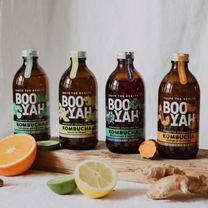
But fibre is only one piece of the gut-health puzzle. Fermented foods like kimchi, kefir, sauerkraut and traditionally brewed kombucha are attracting wider attention too.
Fibre helps nourish our resident gut bacteria, while fermented foods introduce additional live microbes. They're different approaches to supporting gut health, and both deserve a place in the conversation.
2. Are we buying health instead of practicing it?
Remember when protein became synonymous with healthy? Suddenly a chocolate pudding with 20g of protein was being marketed as a nutritional powerhouse, despite everything else on the ingredients list.
There's a real possibility fibre goes down the same route.
We're already seeing fibre-enriched snack bars, prebiotic fizzy drinks, gut-health gummies and supplements promising to transform our digestion. Some are genuinely useful. Others are little more than clever marketing.
We've watched the gut-health category grow enormously since we started Booyah. And while it's brilliant to see more attention on digestive health, it also means more products wearing a 'gut-friendly' badge without necessarily offering much beyond clever marketing.
That's why we've always stuck to traditionally fermenting our kombucha and keeping it raw, unpasteurised and full of live cultures. Not because it's fashionable, but because it's fundamental to how we believe kombucha should be made.
The problem isn't the products themselves. It's the idea that we need to purchase something new every time the wellness industry discovers another basic nutritional principle. Beans, oats, lentils, vegetables, nuts and seeds have been providing fibre for thousands of years. They don't need a rebrand.
Before spending £30 on the latest gut-health powder, it might be worth asking when you last ate a portion of lentils.
3. The bigger trend nobody's talking about
If you zoom out, there's something interesting happening in the world of wellness.
Protein was largely aboutbuilding and maintaining muscle. Creatine broadened the conversation towardsperformance, recovery and healthy ageing. Now gut health is bringing more attention todigestion, metabolism and the microorganisms we live alongside.
It's a shift away from simply how we look and perform, towards how our bodies function internally. And that's a positive direction.
But there's also a danger in becoming so focused on individual nutrients that we forget how health actually works. Protein doesn't operate in isolation. Neither does fibre. Neither do the trillions of microbes living in our digestive systems.
A varied diet, regular movement, good sleep and consistency will probably do more for most people's long-term health than endlessly chasing whichever ingredient is having its moment.
The healthiest thing you can do might be to stop following quite so many health trends.
HEALTH HACK
Stop Peeling Everything
Potato skins, apple skins, kiwi skins and carrot skins all contain useful fibre. Where edible and properly washed, keeping the skin on is a ridiculously simple way to retain more of the whole plant.


